

If your website’s rankings suddenly drop, your traffic declines, or you see suspicious domains linking to you, it’s normal to worry about “toxic backlinks.” In Singapore’s competitive SEO space, many businesses check tools like Ahrefs, SEMrush, or Google Search Console and see a long list of odd-looking links then panic.
Here’s the truth: not every low-quality link will hurt you, and trying to remove links the wrong way can waste time or even create new problems. The best approach is structured: identify what’s truly risky, attempt removal where possible, and use Google’s disavow tool only when it makes sense.
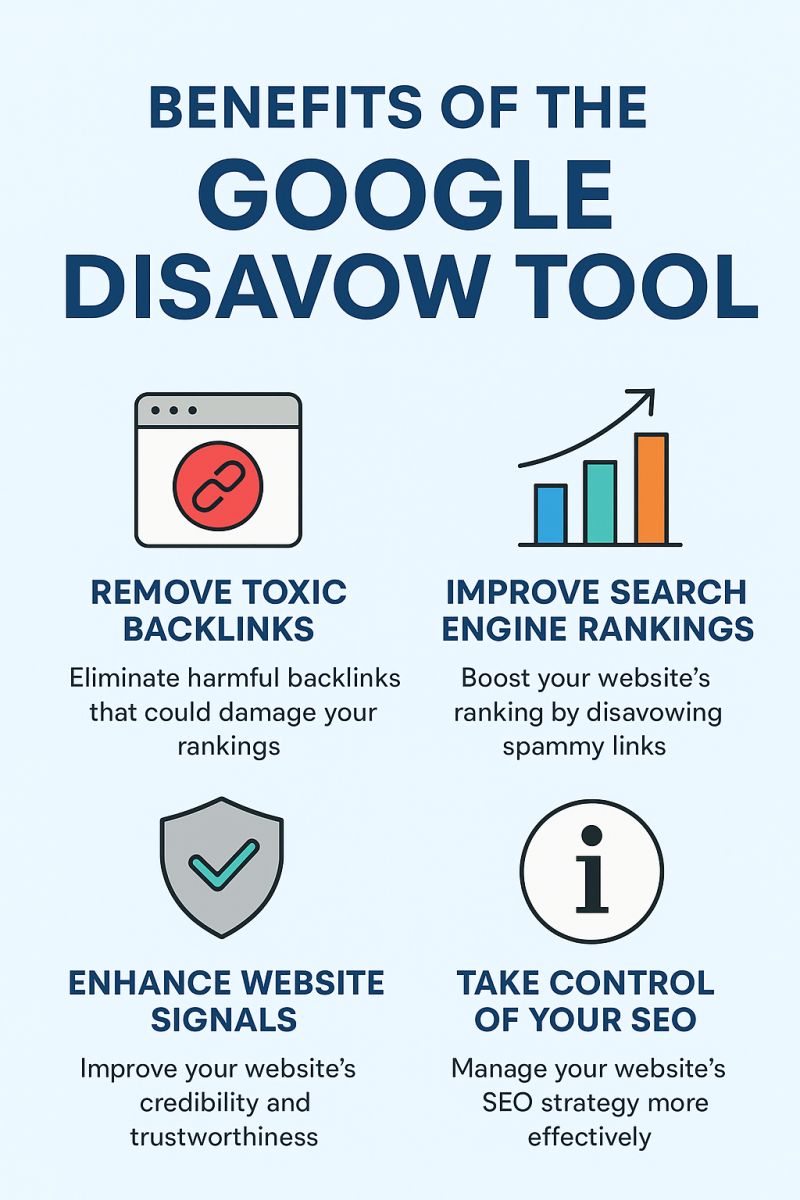
This guide walks you through a practical, safe process. If you want a team to handle this, a seo agency singapore can audit, clean up, and build safer authority over time.
1) What are “toxic backlinks”?
Toxic backlinks are links from websites that look spammy or manipulative. Examples include:
-
Link farms (sites made only to sell links)
-
Hacked sites linking out randomly
-
Auto-generated directories with nonsense pages
-
Irrelevant sites with suspicious anchor text
-
Sites with malware warnings or adult/gambling spam
Some of these links happen naturally. Scrapers and random sites may link to you without you doing anything. Google is often good at ignoring a lot of junk links automatically.
But if you see a clear pattern (hundreds of spam links, repeated exact-match anchors, obvious paid networks), it’s worth cleaning up.
If you want to build long-term, safe authority after cleanup, a seo company singapore strategy should focus on quality and relevance not mass volume.
2) Start with Google Search Console
Many tools label links as “toxic” using their own formulas. Use these tools for clues but don’t treat the score as truth.
Your most important source is Google Search Console’s “Links” report (Sites linking to you). Cross-check suspicious domains there.
If you’re doing a full site health check at the same time, combining backlink work with seo services can help you recover faster because rankings are rarely impacted by backlinks alone.
3) Identify which toxic links actually matter
Not all bad links need action. Focus on links that match one or more of these:
High-risk signs
-
You have a Manual Action in Search Console (this is serious)
-
Many links come from the same spam network
-
Anchor text is aggressively keyword-stuffed (e.g., exact-match “seo services singapore” from random sites)
-
Links appear in sitewide footers across dozens of pages
-
You see a sudden spike in suspicious links
If you’re unsure, this is where a seo consultant singapore or SEO specialist can interpret patterns and avoid overreacting.
4) Sort backlinks into 3 buckets
When reviewing links, label them:
Bucket A: Keep (safe/neutral)
-
Real websites, even if small
-
Relevant blogs, directories, partners
-
Mentions from media companies in singapore or local publications
Bucket B: Try to remove
-
Spam directories
-
Scraper sites copying your content
-
Low-quality sites clearly selling links
-
Obvious PBNs (private blog networks)
Bucket C: Disavow
-
Links you can’t remove
-
Links from hacked/malware sites
-
Links from obvious spam networks
-
Sitewide spam you can’t control
This helps you stay calm and systematic.
5) Try removal first
Google generally recommends contacting site owners first (when possible).
How to remove links
-
Find the linking page URL and domain
-
Look for a contact page or email
-
Send a short removal request (polite, direct, include the exact URL)
Keep your message simple:
-
“Please remove this link to our website: [your URL] from this page: [their URL]. Thank you.”
You won’t always get a response, and that’s okay. The goal is to show you attempted removal for the worst links.
If you’re managing this alongside lead generation work, it’s smart to keep your acquisition channels stable with pay per click singapore while SEO stabilises.
6) Use Google’s Disavow Tool carefully
The disavow tool tells Google: “Please ignore these links.” It does not delete them from the internet it just asks Google not to count them.
When disavow makes sense
-
You have a manual action for “Unnatural links”
-
You clearly bought links in the past and need cleanup
-
You’re seeing a strong pattern of manipulative links that could impact rankings
When disavow is usually unnecessary
-
You have random spam links but no ranking issue
-
The links are low-quality but not part of a manipulative pattern
-
There’s no manual action and no obvious risk
Disavowing too aggressively can remove value from neutral links and slow progress especially if you’re trying to rank for competitive terms like best seo singapore or seo services singapore.
7) Build a disavow file the right way
When you do disavow, most SEO pros use domain-level disavow (instead of individual URLs) for spam networks.
Example format:
-
domain:spamdomain.com
Keep your file clean, and only include the domains you truly want to exclude.
This work fits naturally into a broader seo services singapore strategy because it protects your link profile while you build stronger links.
8) Replace bad links with better authority
Removing or disavowing links is only half the job. If your site has weak authority, you’ll also need to build better signals over time.
A healthy recovery plan usually includes:
-
Publishing useful content (so you earn natural links)
-
Strengthening internal linking and site structure
-
Building quality links from relevant sources
-
Improving local visibility if you target Singapore customers
This is why many brands combine cleanup with:
-
seo agency strategy and content
-
Authority building via seo company singapore
-
Website improvements through seo services
-
Local map visibility via seo consultant singapore
9) Common mistakes to avoid
Mistake 1: Disavowing everything a tool labels “toxic”
Tools can over-flag. Always check manually.
Mistake 2: Removing good links by accident
Some small blogs look “low quality” but are real and harmless.
Mistake 3: Not fixing the root cause
If toxic links came from a link seller or bad agency, stop the source first.
Mistake 4: Ignoring other ranking factors
Backlinks are only one piece. Content, technical health, and intent match matter too.
If your overall marketing relies heavily on SEO, it’s smart to diversify with a digital marketing agency singapore plan so your leads don’t drop when rankings fluctuate.
Want help cleaning toxic backlinks and rebuilding rankings safely?
If you’re worried about your link profile or you want a proper audit before disavowing anything PaperCut can help. Explore our seo agency singapore services and we’ll review your backlinks, identify what’s truly risky, and create a safe cleanup + growth plan that builds authority the right way in Singapore.