
If you’ve ever launched a new campaign and felt like results are “all over the place,” you were probably in the learning phase. Learning is when ad platforms collect data, test different audiences and placements, and figure out what’s most likely to get you conversions.
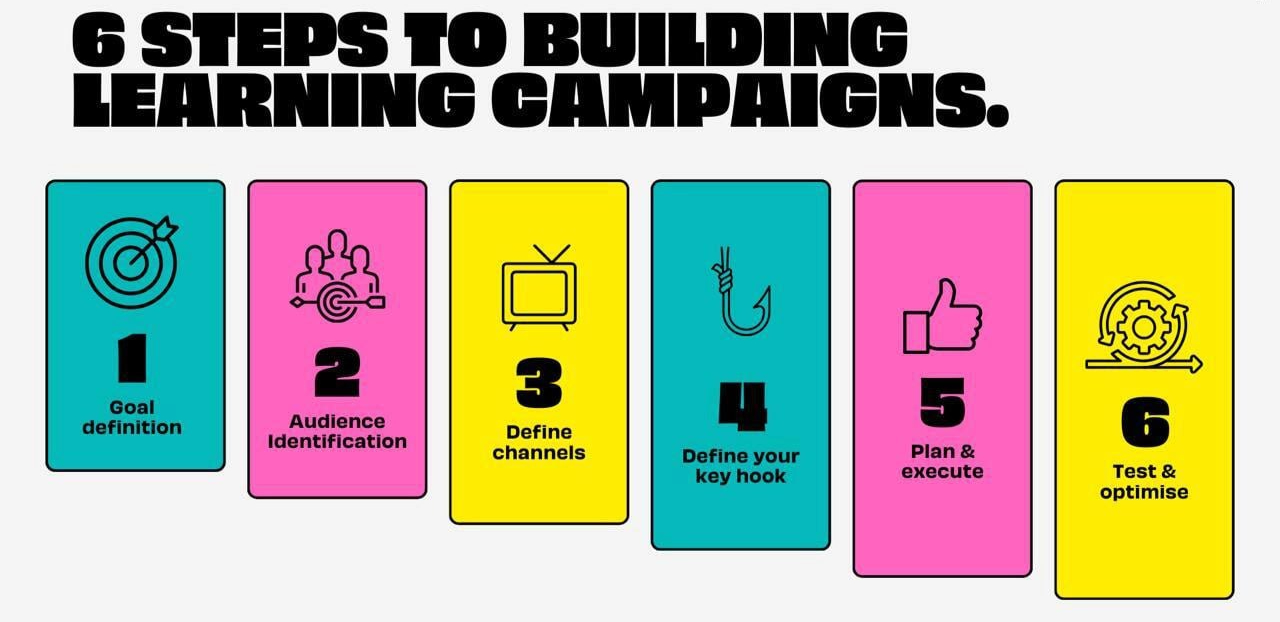
The problem? Learning can be expensive and slow especially if your budget is tight, your tracking is messy, or your targeting is too broad. The good news is you can shorten learning and stabilise performance faster. This guide explains how, in plain language, for both Google and Meta so you can get to consistent results sooner and make better use of your pay per click singapore budget.
What “learning” actually means
In simple terms, learning is the platform asking:
-
Who is most likely to convert?
-
Which ad message works best?
-
Which placements perform best?
-
What time/day/device converts?
When your campaign is new (or you make a big change), the system needs fresh signals.
If it doesn’t get enough signals, learning drags on and performance stays unstable.
If you’re working with a marketing agency, the goal isn’t to “hack” the algorithm. The goal is to give it the right inputs so it learns quicker and wastes less budget.
1) Fix tracking first
If you want to exit learning faster, your conversion tracking must be clean. If you’re sending the platform the wrong signals (or missing signals), it will optimise toward the wrong users.
Practical checklist:
-
Track only meaningful actions (form submit, purchase, qualified WhatsApp lead)
-
Avoid tracking “low-intent” actions as primary conversions (page views, time on site)
-
Check if conversions fire once (not multiple times per user)
Even if your campaign setup is strong, weak tracking will slow everything down. This is also why many businesses combine campaign work with digital marketing services in singapore support, because performance depends on the full system ads + website + tracking.
2) Don’t reset the campaign with constant edits
One of the most common reasons campaigns stay in learning: too many changes too often.
Avoid these mistakes:
-
Changing budget dramatically every day
-
Editing targeting repeatedly within a week
-
Swapping creative constantly before it has time to gather data
-
Switching conversion goals mid-flight
If you must make changes, do it in a controlled way:
-
Change one thing at a time
-
Wait a few days to see the pattern
-
Keep the core structure stable
This is especially important if you’re running singapore sem agency style campaigns where the platform needs consistent conversion patterns to optimise properly.
3) Consolidate your campaigns
If you split your budget across too many campaigns/ad sets, each one gets less data. Less data = slower learning.
A faster approach:
-
Fewer campaigns
-
Fewer ad sets
-
More budget concentration on what matters
For example, instead of 6 small Search campaigns, you may get faster stability by using fewer campaigns plus clear segmentation. And if you’re scaling, using performance max can help consolidate placements but only after tracking is ready.
4) Use stronger creative inputs
If your ad doesn’t clearly explain what you offer, the platform will test lots of combinations and struggle to find winners.
To speed learning:
-
Use simple, clear messaging (offer + result + proof)
-
Show product/service benefits quickly
-
Include pricing cues or starting-from points if relevant
-
Match your ad to the landing page promise
If you’re running Meta, creative quality is a huge lever. If you’re running Google, creative still matters (especially across Display and YouTube).
If you need a consistent stream of ad assets, this is where monthly-content-creation supports performance not just branding.
5) Improve landing page clarity
Learning depends on conversions. If your page converts poorly, you’ll get fewer signals, which keeps learning longer and more expensive.
Quick landing page wins:
-
One clear headline that matches the ad
-
One primary CTA (don’t overload with options)
-
Social proof (reviews, results, case studies, logos)
-
Faster load time, especially on mobile
This connects directly to your overall digital marketing singapore performance: the better your site converts, the faster ads learn and stabilise.
6) For Google: start with Search before you scale
If you’re launching from scratch, it’s often easier to build a base with google-search-ads first. Search gives you higher-intent traffic and clearer signals.
Once you have consistent conversions, you can expand:
-
Add google-display-ads for reach
-
Add youtube-ads for awareness
-
Scale with performance max once conversion data is stable
7) For Meta: simplify audiences and let it learn
If you test too many audiences at once, each one learns slowly. Meta often performs best when you:
-
Use fewer ad sets
-
Allow broader targeting
-
Focus more on strong creatives and clear tracking
If you need help building stable Meta campaigns, align your approach with a proper social media marketing agency strategy, because funnel, creative, and measurement must work together.
The fastest “exit learning” formula
If you want the shortest path to stability:
-
Strong conversion tracking
-
One clear goal per campaign
-
Consolidated structure (don’t split budget too much)
-
Minimal edits in the first week
-
Strong creative + clear landing page
Do those five things and most campaigns stabilise significantly faster.
If you’d like, share your platform (Google or Meta), your daily budget, and what conversion you’re tracking and we can recommend the best setup to exit learning faster.
Or explore digital marketing agency singapore support if you want a full audit of tracking, campaign structure, and creatives.